Introduction
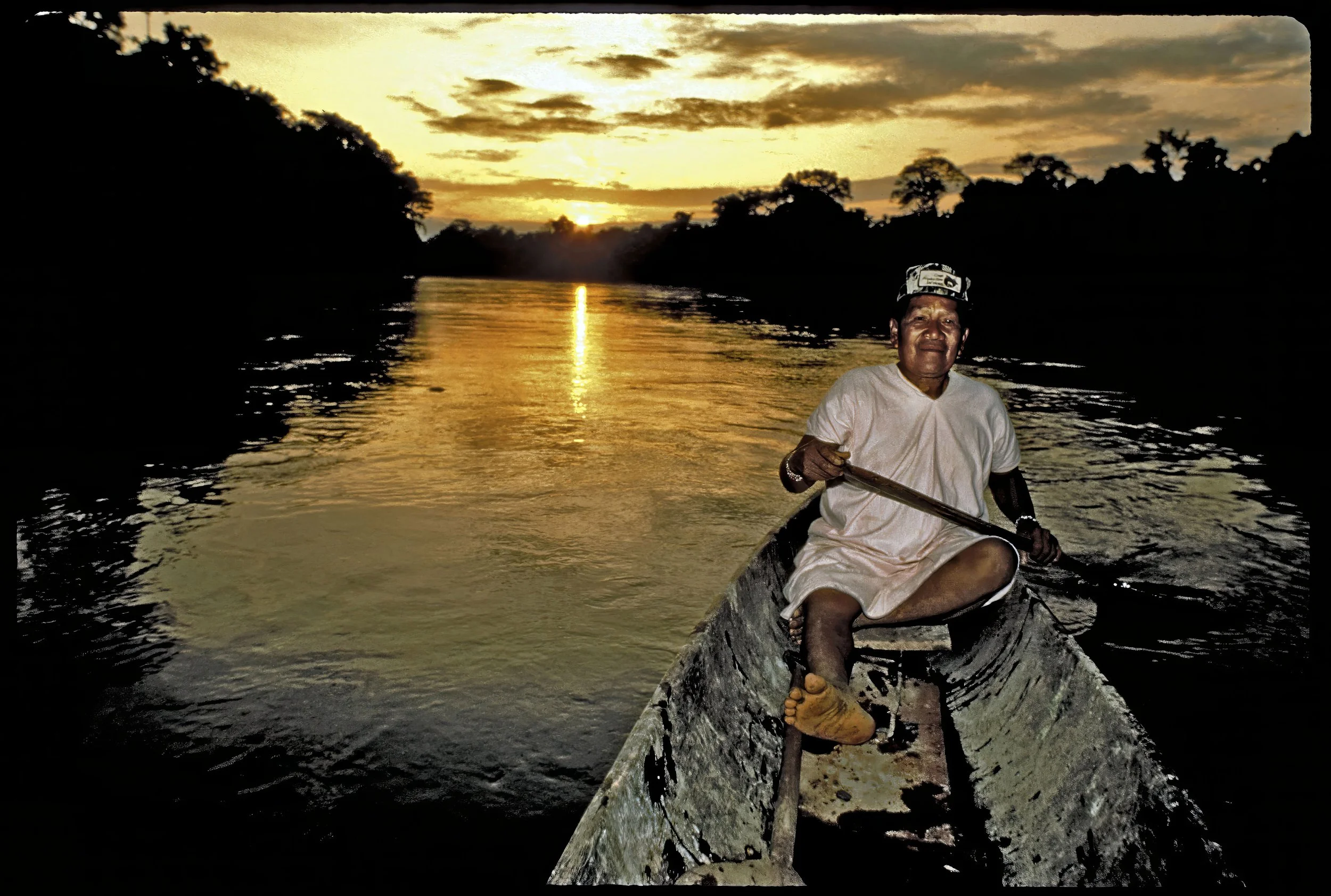
Nestled in the verdant heart of South America, Ecuador is a land of staggering natural diversity — from the mist-laden cloud forests of the Andes to the deep, pulsating jungles of the Amazon. Yet beyond its ecological wonders lies a more elusive legacy: a lineage of sacred plants and ancestral practices believed to open pathways between human consciousness and the deeper cosmos.
This article invites you into the spiritual world of Ecuador’s indigenous traditions, where entheogenic plants — revered not as substances but as teachers — guide seekers toward healing, understanding, and expanded awareness.
Embarking on the Entheogenic Path
For many of Ecuador’s native communities, the entheogenic path is not a trend or an escape. It is a philosophy, a relationship, and a way of listening to nature. These plants are understood as conscious allies — gateways to inner inquiry and carriers of wisdom passed down across centuries.
Through carefully guided ceremonies, participants are encouraged to look inward, confront emotional wounds, and reconnect with the sacred dimensions of life. Each plant plays a distinct role, offering its own lessons and energetic character.
Ayahuasca: Imbibing the Vine of the Soul
The most iconic of Ecuador’s plant teachers, Ayahuasca — the “vine of the soul” — occupies a central place in Amazonian traditions. Brewed from the Banisteriopsis caapi vine and companion plants, ayahuasca is used to facilitate introspection, emotional cleansing, and expanded consciousness.
In ceremonial settings led by trained facilitators or indigenous healers, many report accessing buried memories, confronting fears, or experiencing profound moments of clarity and interconnectedness. For the tribes who steward this medicine, ayahuasca is not a drug but a guide — a feminine spirit who teaches through vision, humility, and deep inner work.
San Pedro (Wachuma): The Andean Teacher of the Heart
Ascending to the Andean highlands, we meet San Pedro, known traditionally as Wachuma or Huachuma. This tall, ribbed cactus has been used for millennia in the Andes to cultivate heart-opening states, emotional release, and communion with nature.
Wachuma ceremonies often take place during daylight, where participants encounter heightened sensory awareness, compassion, and a feeling of immense connection to the natural world. Many describe it as a medicine of light — one that gently shifts perception and illuminates the landscapes of the mind.
Bufo: The Fire Medicine of Awakening (5-MeO-DMT)
Distinct from plant teachers yet increasingly present within Ecuador’s broader spiritual landscape is the Bufo alvarius toad medicine, known for the psychoactive compound 5-MeO-DMT. Traditionally originating outside Ecuador, bufo has been adopted carefully by some facilitators for its reputation as a catalyst for rapid, expansive states of consciousness.
The experience is often described as dissolution — a temporary stripping away of ego, identity, and narrative — revealing a state of pure awareness. Unlike ayahuasca or Wachuma, which guide through storytelling and vision, bufo’s teaching is immediate, potent, and deeply internal. Respect, grounding, and proper integration are essential.
Discovering Lesser-Known Botanical Guides
Beyond its well-known teachers, Ecuador harbors lesser-known but culturally significant entheogens used by specific indigenous groups. One example is Malikaua, a relative of ayahuasca, brewed into a stimulating tea to enhance awareness, lucid dreaming, and dream recall. For many practitioners, Malikaua provides a bridge into the nocturnal realm — a way of walking consciously through dreamscapes and receiving messages from the subconscious.
These lesser-known allies form part of a broader spiritual toolkit, each with its own character, rhythm, and cultural meaning.
Preserving the Sacred: A Call to Conscious Exploration
With global interest in entheogenic medicine rising rapidly, the responsibility to preserve these traditions has never been greater. These plants — and the knowledge surrounding them — are not commodities. They are cultural inheritances, borne from lineages that have protected them for generations.
Approaching them requires:
Respect for indigenous sovereignty
Ethical and sustainable tourism practices
Qualified facilitators, not opportunistic imitators
An understanding that integration matters more than the experience itself
The entheogenic path is not entertainment. It is a dialogue with nature and with oneself.
Conclusion
Ecuador’s spiritual landscape is woven from wisdom that predates modern borders and languages — a tapestry of ritual, nature, and deep listening. The indigenous communities who protect these traditions invite seekers not merely to “experience” something exotic, but to enter a relationship with the natural world and with the inner self.
If you choose to explore these ancient medicines, do so with reverence, humility, and the understanding that these ceremonies are not shortcuts to enlightenment, but invitations to know yourself more deeply.
May your journey into Ecuador’s botanical lineage be one of learning, transformation, and profound connection.